A network of in-ground stations around the property, checked on a set schedule — built to catch termite activity early and, once found, take out the colony from within.
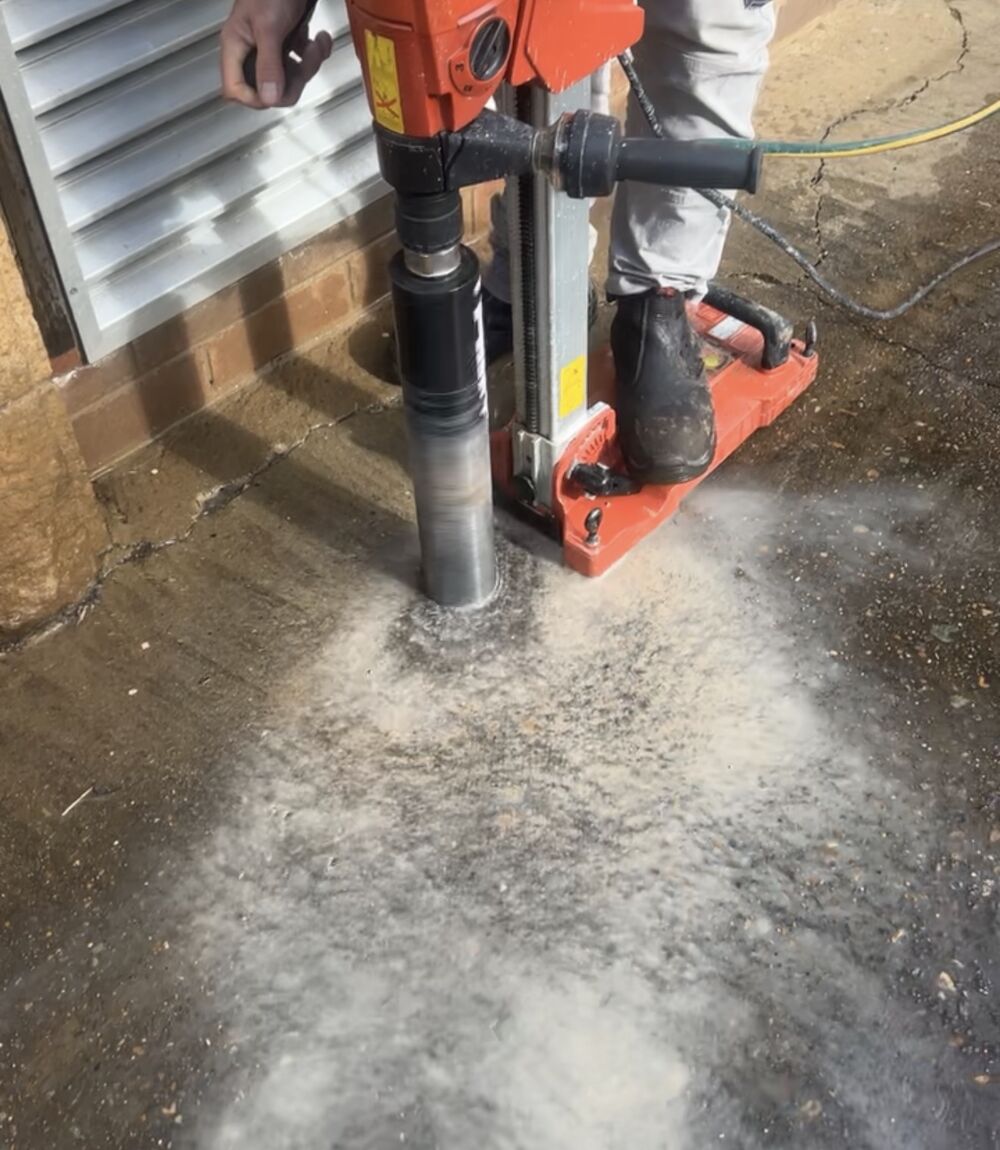
Stations are installed in the ground at set intervals around the property's perimeter, each containing a timber or cellulose interceptor that termites feed on if they're active in the area.
On a regular inspection cycle, each station is checked. Where there's no activity, it's simply reset. Where termites are found feeding, the interceptor is replaced with a bait containing a growth regulator — termites feed on it and share it through the colony, which gradually collapses the nest rather than just killing the individuals at the station.
Extensive paving, pools, decking or landscaping right up against the house can make a full chemical barrier difficult without major disruption — stations work around these constraints.
A scheduled monitoring program means activity is usually caught well before it reaches the structure, rather than being discovered after damage has already occurred.
Regular scheduled checks mean the property is never going more than a few months without a professional look at termite risk, not just a once-a-year inspection.
Baiting and monitoring works well on its own, but many properties run it alongside a chemical soil barrier for layered protection — the barrier reduces the chance of termites reaching the structure at all, while monitoring catches anything that gets past it.
View Termite BarriersThis is set based on the property and local termite activity levels, but a scheduled program means stations are never left unchecked for long — we'll set the right interval for your address when the system's installed.
It varies with colony size and species, typically weeks to a few months from when a station goes active to activity stopping — baiting works with the termites' own feeding and grooming behaviour rather than an instant kill, which is what makes it effective against the wider colony.
No — monitoring is a layer of ongoing protection, not a replacement for a full timber pest inspection. We'd usually recommend both as part of a complete termite management plan.
One call covers termites, general pests and bird proofing — no referrals, no runaround.